gē
- to cut
- to cut apart
gēㄍㄜ
12 strokes
to cut, to divide
gē
Write it with your finger and have each stroke checked in the Shangri Lingua app.
fēn gē
to cut up; to break up
shōu gē
to harvest; to reap; to gather in crops
gē cǎo
mow grass
guà bāo
see 刈包[gua4 bao1]
gē ài割愛
to part with sth cherished; to forsake
gē lǐ割禮
circumcision (male or female)
zǎi gē
to slaughter; (fig.) to ride roughshod over; to take advantage of (others)
yú gē餘割
cosecant (of angle), written cosec θ or csc θ
shōu gē jī收割機
harvester (machine)
jiāo gē
delivery (commerce)
qiē gē
to cut
gē shāng割傷
to gash; to cut; gash
gē qǔ
to cut off
gē hóu
to slit sb's throat
gē xí
(literary) to break off relations with a friend; to sever ties with sb
gē shě割捨
to give up; to part with
gē jiē
(network) cutover; (system) migration
gē sǔn割損
circumcision (Bible term)
gē jù割據
to set up an independent regime; to secede; segmentation
gē duàn割斷
to cut off; to sever
 Picture
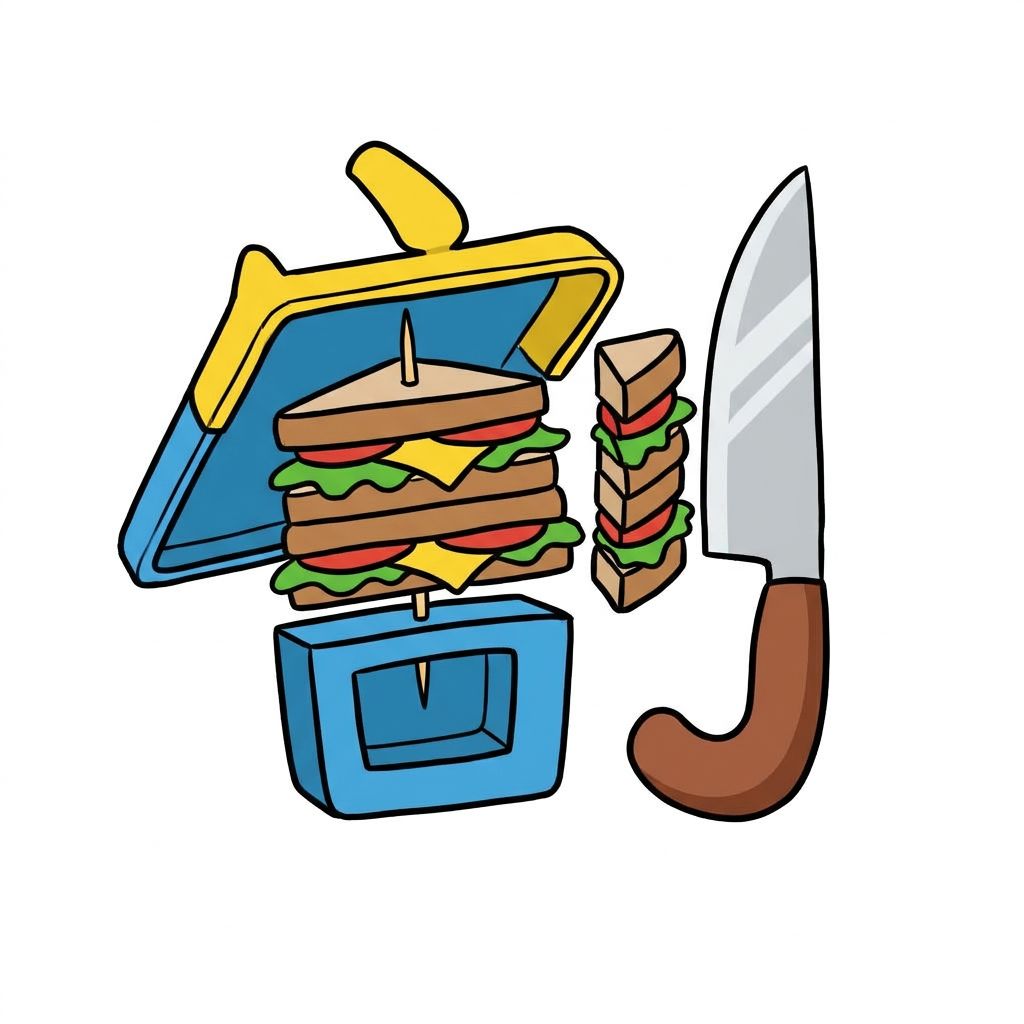
The knife cuts the sandwich apart: 割 means to cut or cut apart.
Drawn by AI to help you remember the character, not to show where it comes from. For that, see How it’s built.
Chosen once, remembered on every Chinese page and in the translator.
Paste a message or a menu and tap any word to see what it means there.
Translate your own sentenceCan’t type a character you’re looking at? The Shangri Lingua app lets you draw it with your finger or Apple Pencil and look it up, with all 125,000 words offline. Get it on the App Store.
Definitions from CC-CEDICT, shared under CC BY-SA 4.0. Character parts and stroke order from Make Me a Hanzi, under the LGPL and the Arphic Public License.