kě
- (prefix) can; may; able to; -able
- to approve; to permit
- to suit
- (particle used for emphasis) certainly; very
- but; however
kěㄎㄜˇ · kèㄎㄜˋ
5 strokes
may, can
kě
kè
Write it with your finger and have each stroke checked in the Shangri Lingua app.
bù kě
cannot; should not; must not
wú kě無可
can't
kě néng
might (happen); possible; probable
kě yǐ
can; may; possible
kě shǔ可數
countable; denumerable
kě kě
(loanword) cocoa
kě yán
it may be said
kě lián可憐
pitiful; pathetic; to have pity on
kě fēn
can be divided (into parts); one can distinguish (several types)
kě zhī
evidently; clearly; no wonder
kě nì
reversible; (math.) invertible
kě jū
conspicuous; plain to see
kě wàng
can be expected (to); to be expected (to); hopefully (happening)
kě lè可樂
amusing; entertaining; (loanword) cola
kě wèi
dreadful; formidable
kě yí
suspicious; dubious
kě xíng
feasible
kě jiàn可見
it can clearly be seen (that this is the case); it is (thus) clear; clear
xiǎo kě
small; unimportant; (polite) my humble person
wèi kě
cannot
 Picture
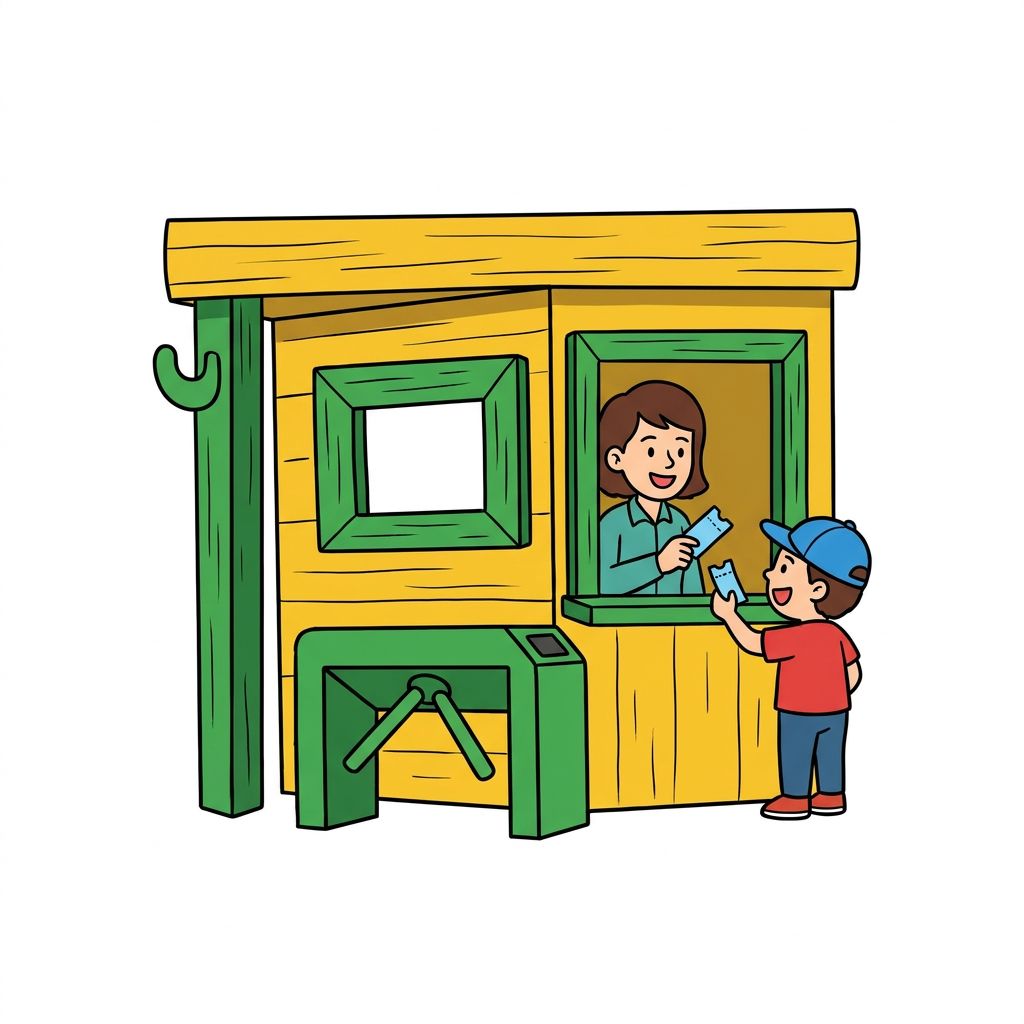
A clerk lets a child through the ticket window: 可 means “may” or “be allowed.”
Drawn by AI to help you remember the character, not to show where it comes from. For that, see How it’s built.
Chosen once, remembered on every Chinese page and in the translator.
Paste a message or a menu and tap any word to see what it means there.
Translate your own sentenceCan’t type a character you’re looking at? The Shangri Lingua app lets you draw it with your finger or Apple Pencil and look it up, with all 125,000 words offline. Get it on the App Store.
Definitions from CC-CEDICT, shared under CC BY-SA 4.0. Character parts and stroke order from Make Me a Hanzi, under the LGPL and the Arphic Public License.