shěas the simplified form of 捨
- to give up; to abandon
- to give alms
house, dwelling
Write it with your finger and have each stroke checked in the Shangri Lingua app.
bù shě不捨
reluctant to part with (sth or sb); unwilling to let go of
shě jǐ捨己
selfless; self-sacrifice (to help others); self-renunciation
shè lì
(Buddhism) relic found in the cremated ashes of Buddhists (from Sanskrit "śarīra")
sù shè
dormitory; dorm room; living quarters
shě de捨得
to be willing to part with sth
shě shēn捨身
to give one's life
lǚ shè
inn; small hotel; hostel
shě bu de捨不得
to hate to do sth; to hate to part with; to begrudge
shè lì zi
see 舍利[she4 li4]
zhù shè
house; residence
gē shě割捨
to give up; to part with
qǔ shě取捨
to select; to make one's choice; to decide what to accept and what to reject
duó shè奪舍
to incarnate into sb else's body
xué shè學舍
school building; school; (Tw) student dormitory
zhái shè
house; residence
hán shè
my humble home
fáng shè
house; building
shě xià捨下
to abandon; to lay down
shě mìng捨命
to risk one's life
shě qì捨棄
to give up; to abandon; to abort
 Picture
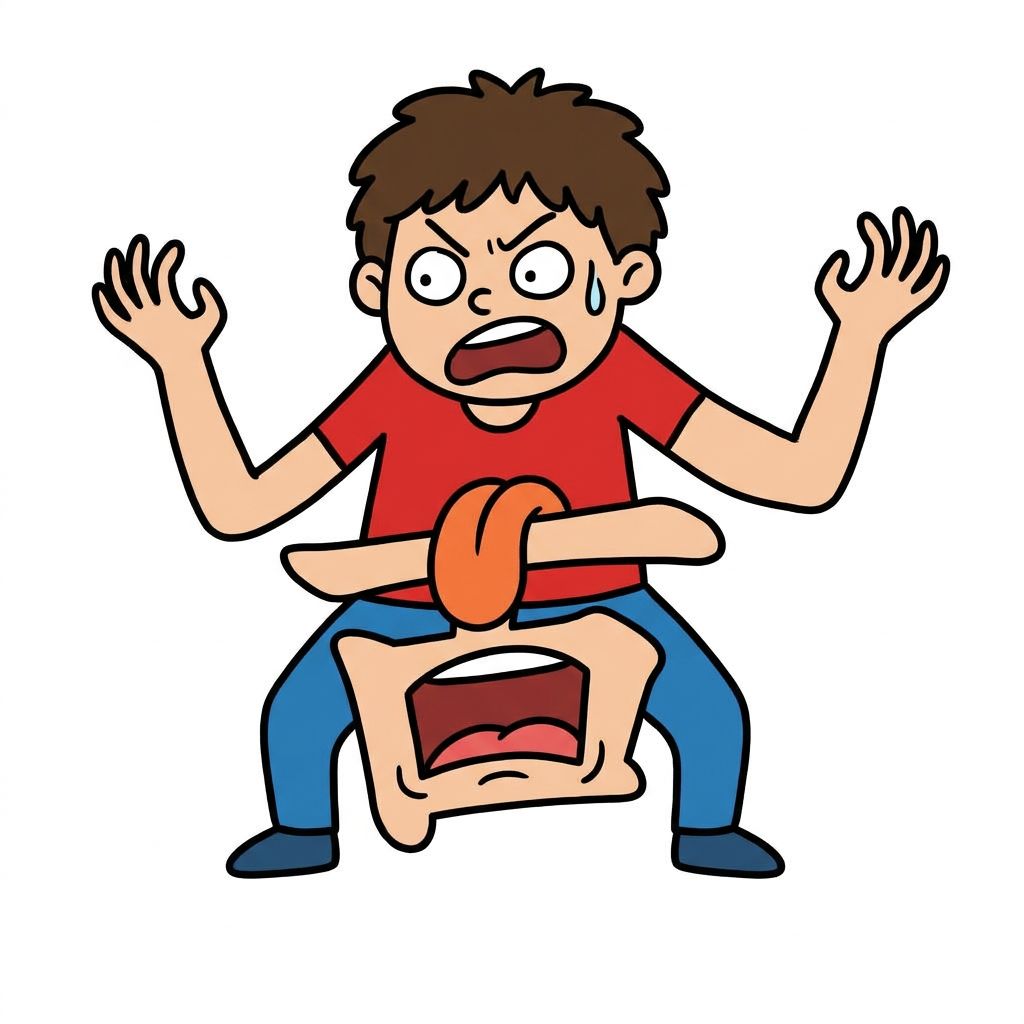
A person throws up their hands and says “I quit”: 舍 means to give up or abandon.
Drawn by AI to help you remember the character, not to show where it comes from. For that, see How it’s built.
Chosen once, remembered on every Chinese page and in the translator.
Paste a message or a menu and tap any word to see what it means there.
Translate your own sentenceCan’t type a character you’re looking at? The Shangri Lingua app lets you draw it with your finger or Apple Pencil and look it up, with all 125,000 words offline. Get it on the App Store.
Definitions from CC-CEDICT, shared under CC BY-SA 4.0. Character parts and stroke order from Make Me a Hanzi, under the LGPL and the Arphic Public License.