méi yǒu
- haven't
- hasn't
- doesn't exist
- to not have
- to not be
méi yǒuㄇㄟˊ ㄧㄡˇ
Traditional: 沒有Simplified: 没有
haven't
méi yǒu
to have; there is; (bound form) having; with; -ful; -ed; -al (as in 有意[you3 yi4] intentional)
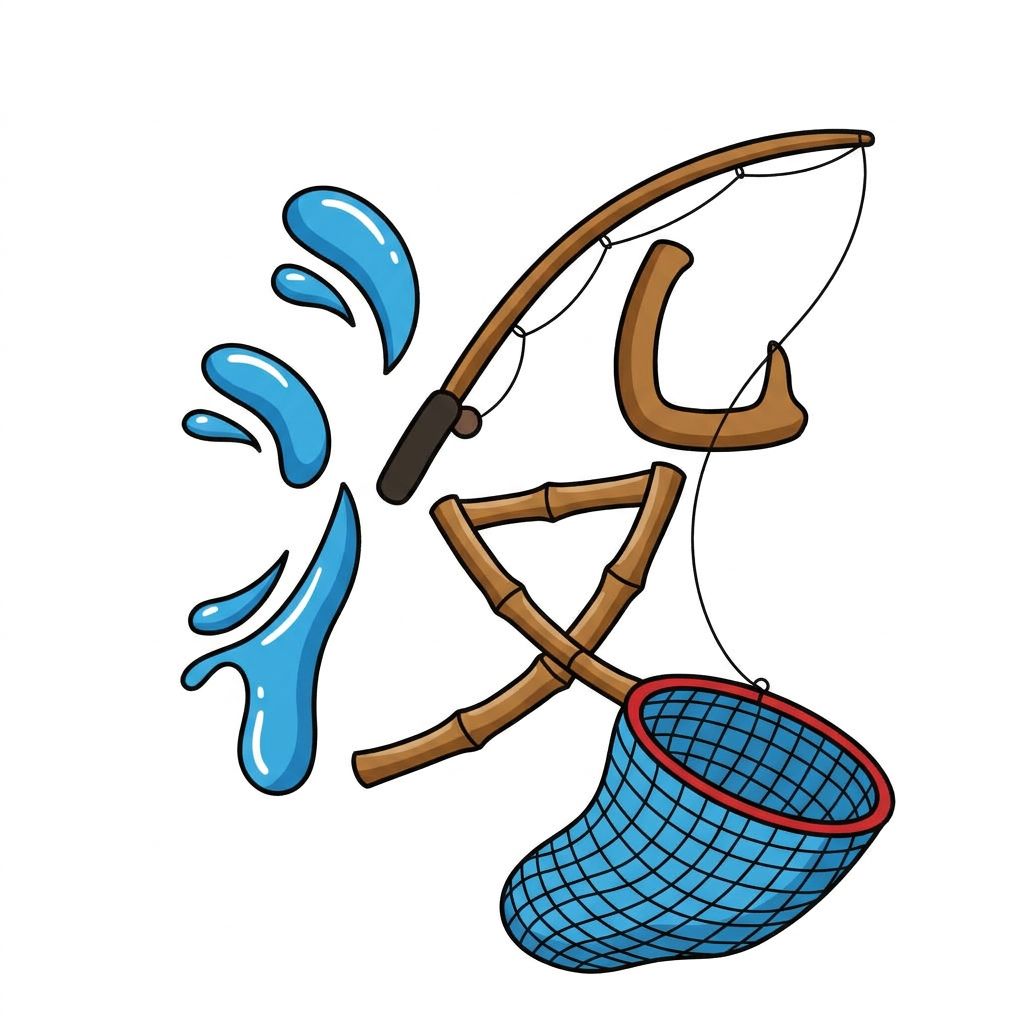
a shape with no character of its own + 月 moon

Write it with your finger and have each stroke checked in the Shangri Lingua app.
méi yǒu shén me沒有什麼
it is nothing; there's nothing ... about it
yǒu méi yǒu有沒有
(before a noun) Do (you, they etc) have ...?; Is there a ...?; (before a verb) Did (you, they etc) (verb, infinitive)?
méi yǒu shì沒有事
not a bit; nothing is up; nothing alarming is happening
méi yǒu fǎ沒有法
at a loss; unable to do anything about it; to have no choice
cóng lái méi yǒu從來沒有
there has never been; has never had; (before a verb) has never
méi yǒu yì si沒有意思
boring; of no interest
méi yǒu yì yì沒有意義
not to have any meaning; meaningless
méi yǒu zhǐ jìn沒有止盡
endless
méi yǒu guān xi沒有關係
see 沒關係|没关系[mei2 guan1 xi5]
yǒu de méi yǒu de有的沒有的
see 有的沒的|有的没的[you3 de5 mei2 de5]
Chosen once, remembered on every Chinese page and in the translator.
Paste a message or a menu and tap any word to see what it means there.
Translate your own sentenceCan’t type a character you’re looking at? The Shangri Lingua app lets you draw it with your finger or Apple Pencil and look it up, with all 125,000 words offline. Get it on the App Store.
Definitions from CC-CEDICT, shared under CC BY-SA 4.0. Character parts and stroke order from Make Me a Hanzi, under the LGPL and the Arphic Public License.