méi
- (negative prefix for verbs) have not; not
not, none
méi
mò
Write it with your finger and have each stroke checked in the Shangri Lingua app.
méi yǒu沒有
haven't; hasn't; doesn't exist
méi shì沒事
it's not important; it's nothing; never mind
méi zhǔn沒準
not sure; maybe
méi liǎn沒臉
ashamed; embarrassed; not having the face (to meet people)
chū mò出沒
to come and go; to roam about (mostly unseen); (of a ghost) to haunt (a place)
rì mò日沒
sunset; sundown
chén mò沉沒
to sink
méi le沒了
to be dead; not to be, or cease to exist
méi jìn沒勁
to have no strength; to feel weak; exhausted
méi fǎ沒法
at a loss; unable to do anything about it; to have no choice
méi pǔ沒譜
to be clueless; to have no plan
méi qù沒趣
embarrassing; dull; unsatisfactory
méi zhé沒轍
at one's wit's end; unable to find a way out
yān mò湮沒
to bury; to submerge; to pass into oblivion
fù mò覆沒
annihilated; capsized
cóng lái méi從來沒
have never; has never
méi rén wèi沒人味
to be lacking in human character
méi bàn fǎ沒辦法
there is nothing to be done; one can't do anything about it
méi zhǎng yǎn沒長眼
see 沒長眼睛|没长眼睛[mei2 zhang3 yan3 jing5]
méi yǒu shén me沒有什麼
it is nothing; there's nothing ... about it
 Picture
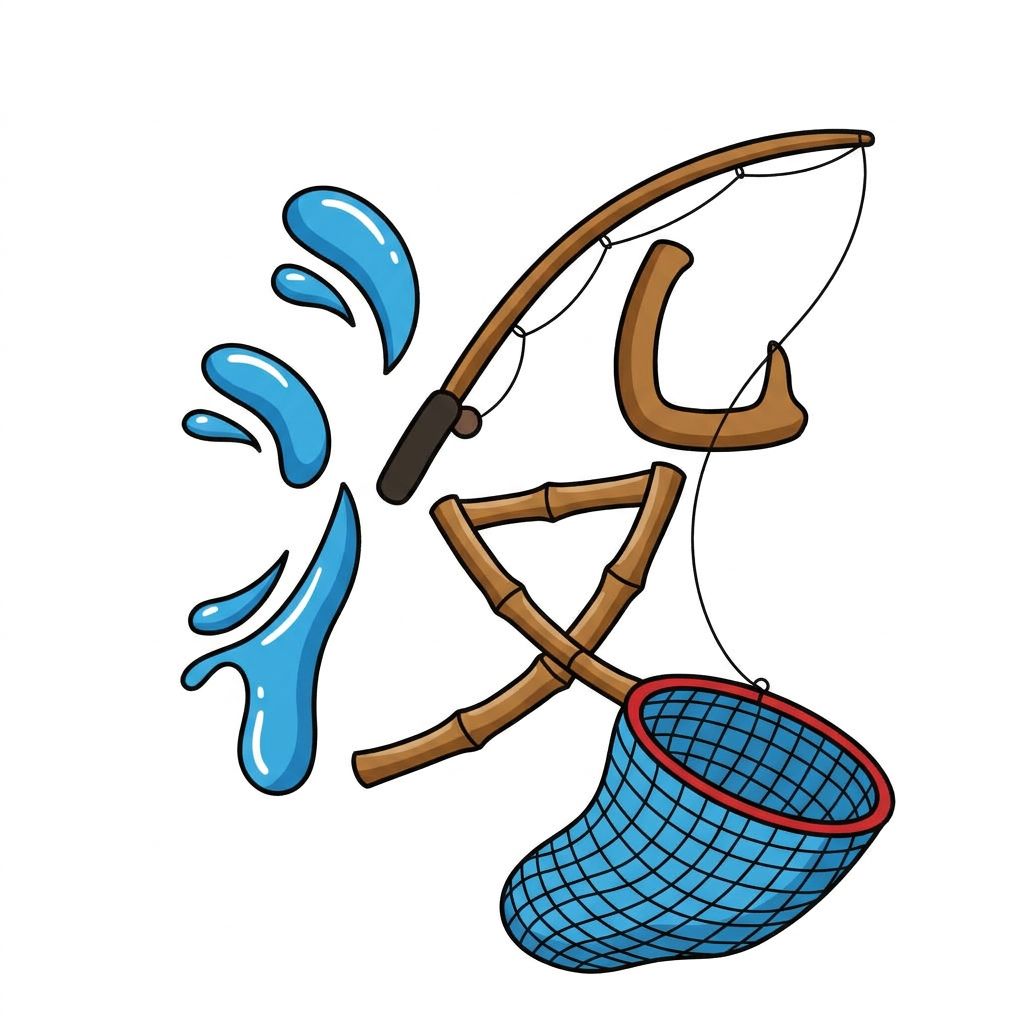
An empty net means no fish caught: 没 means “have not” or “not.”
Drawn by AI to help you remember the character, not to show where it comes from. For that, see How it’s built.
Chosen once, remembered on every Chinese page and in the translator.
Paste a message or a menu and tap any word to see what it means there.
Translate your own sentenceCan’t type a character you’re looking at? The Shangri Lingua app lets you draw it with your finger or Apple Pencil and look it up, with all 125,000 words offline. Get it on the App Store.
Definitions from CC-CEDICT, shared under CC BY-SA 4.0. Character parts and stroke order from Make Me a Hanzi, under the LGPL and the Arphic Public License.